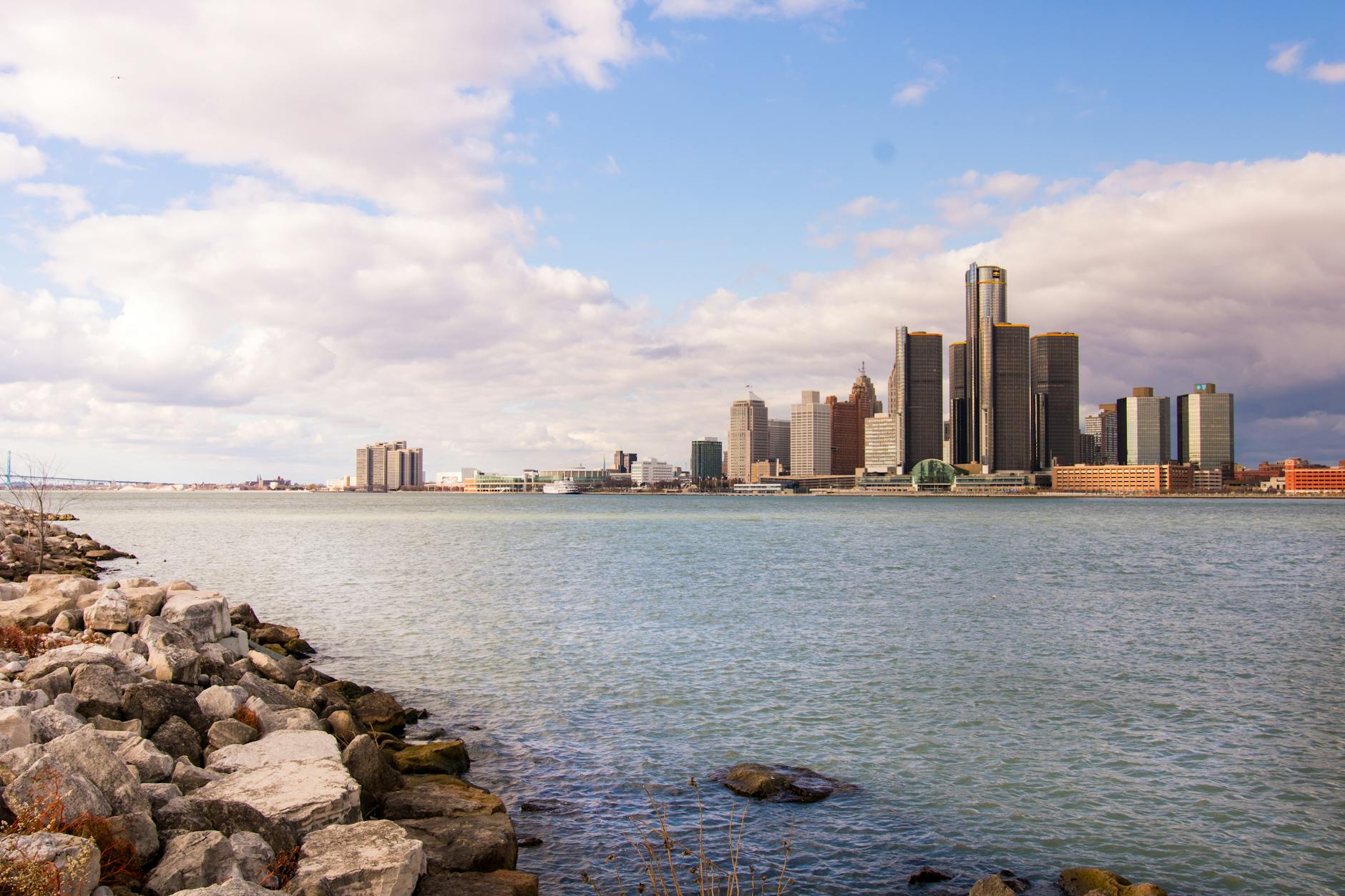
Mayor Mary Sheffield scheduled a Friday afternoon press conference to address the wave of “teen takeovers” that have rattled Downtown Detroit over the past several weeks, with her administration signaling it had already started talking directly with organizers behind the gatherings.
The press conference was set for 4:15 p.m. Friday. Before it, Sheffield’s office confirmed that members of her administration and community partners had already sat down with the teen takeover organizers earlier in the week. That’s a notable move. Rather than treating this purely as a law enforcement problem, Sheffield appears to be treating it as a community problem first.
What’s been happening downtown
The gatherings started circulating on social media, with posts calling on teenagers to meet up in the Downtown Detroit area. What followed were large crowds, fights, and arrests. Detroit police ramped up their presence in response, flooding the area with officers.
Not just police, though.
Ceasefire, a community intervention group operating on Detroit streets, deployed its crews to try to get ahead of violence before it started. The approach is different from policing. Ceasefire members work relationships, not arrests. They get in front of situations, talk to young people directly, and try to keep things from escalating to the point where someone gets hurt or ends up in handcuffs.
Ceasefire crewmember Toson Knight described what his team was seeing on the ground. “Tuesday, there were a lot of fights and stuff like that, so our goal is to really work with them, talk to them, and through our relationships, keep them from going to jail, keep things from escalating. We’ve seen crazy things happen downtown with young people,” Knight said.
Cameras caught it in real time
Video from the scene showed young people running through streets near Downtown with police close behind. Ceasefire crews were moving at the same time, trying to intercept and de-escalate before anything turned serious.
The split-screen reality of that footage matters. One response is reactive and coercive. The other is relational and preventive. Sheffield’s decision to meet with organizers, and to bring community partners into those conversations, suggests her administration understands it needs both.
Still, the arrests and fights are real. Residents and businesses downtown have noticed. The increased police presence is visible. And the question Sheffield will face at any press conference isn’t just what happened but what the city plans to do when the next social media post goes out calling teenagers back downtown.
The harder questions
Teen takeovers aren’t unique to Detroit. Cities across the country have dealt with versions of this, large groups of young people, social media coordination, and the friction that comes when teenagers occupy commercial spaces in numbers that make adults uncomfortable. Sometimes that friction is about actual violence. Sometimes it’s about something else entirely.
Research on youth gatherings and urban public space shows the policy responses vary widely, from curfews to community programming to direct outreach. Detroit has tried different combinations over the years. What’s different here is that Ceasefire was already on the ground, and Sheffield’s office moved quickly to open a direct line to the organizers themselves.
That’s either a real strategy or good optics. The press conference was one place to find out which.
Ceasefire models its work on the idea that violence spreads like a disease and can be interrupted before it happens. The group has operated in Detroit for years, and its crews often go where police presence alone doesn’t solve anything.
This reporting draws on earlier coverage from WXYZ (7 Action News), which captured Ceasefire crews on the ground and spoke with Knight during the intervention.
What to watch
Sheffield’s specific proposals coming out of the press conference are the thing to track. Does the city announce any formal partnership with Ceasefire? Does it commit resources to whatever the organizers said they needed in that earlier meeting? Does this stay a press conference, or does it turn into a policy?
Detroit has plenty of young people and not enough places for them. That’s not a new problem. But the speed at which social media can move hundreds of teenagers into a few city blocks is new, or at least newly visible, and it’s outpacing whatever infrastructure the city had in place for this.
Sheffield ran on accountability and community investment. How she handles the next few weeks downtown will say a lot about whether that’s governing or just campaigning.